
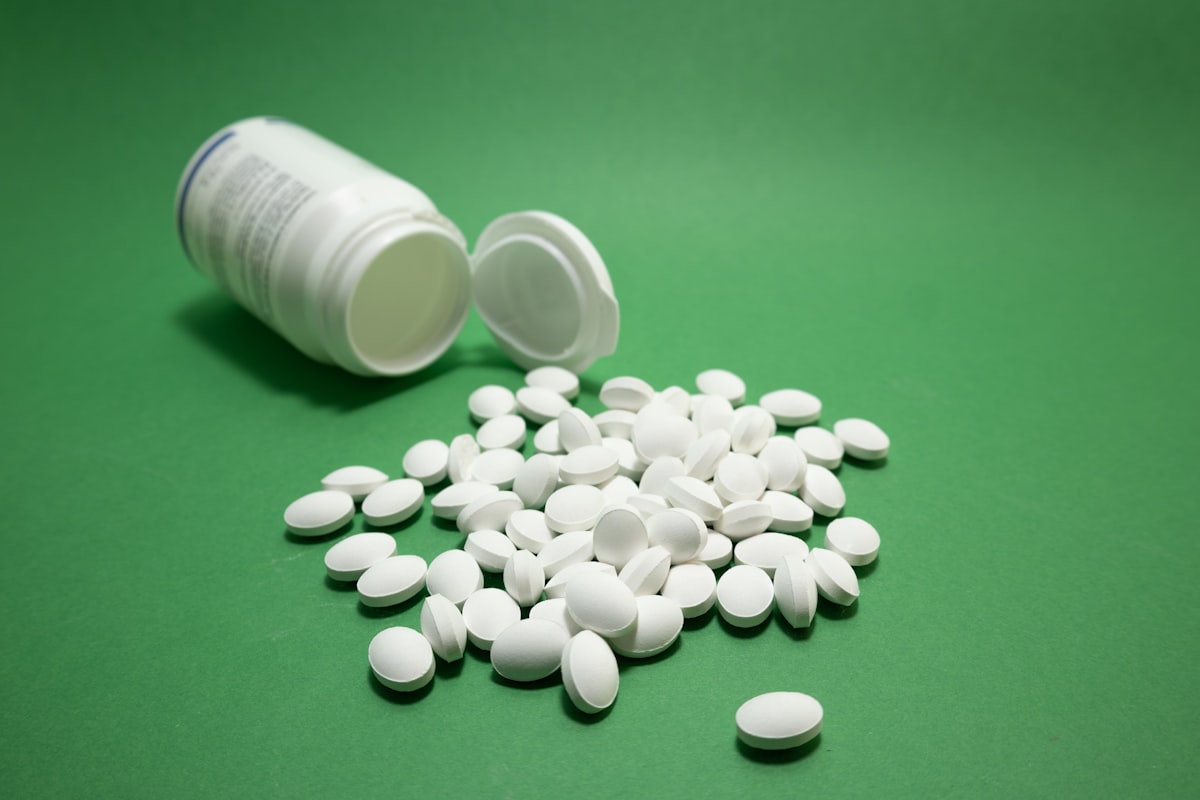
- It has been reported that taking a multivitamin may help support nutritional status.
- The evidence score is 65, and the reliability is moderate.
- This includes information relevant to those who feel it is difficult to maintain balance through diet alone.
A multivitamin is a nutrient product that contains multiple vitamins.
It is generally taken in the form of a supplement, and is discussed in the context of everyday nutritional supplementation.
A multivitamin refers to a supplement that contains multiple types of vitamins.
It is generally used to supplement the nutrients obtained from diet.
There is a report that taking a multivitamin increases the degree of nutritional sufficiency in the body.
In a study involving a very large number of people, approximately 90,000, it was shown that incorporating the supplement raised nutritional sufficiency by an average of about 8% in both men and women.
This is a result based on a cross-sectional study (a survey method that examines conditions at a single point in time).
There is research suggesting that a multivitamin may be helpful for cognitive function and sense of health in older adults.
In a trial involving 2,262 men and women aged 73, positive effects on cognitive function and memory were reported after 3 years of intake.
This is based on a randomized controlled trial (a reliable research method in which participants are randomly divided into groups to compare effects).
In addition, an 84-day study of healthy older adults found improvements in vitamin C and zinc status, as well as in the participants' own sense of health.
However, this study found no change in immune function itself.
In other words, while it may help adjust the levels of specific nutrients, this does not necessarily mean it acts directly on immune function.
There are also several reports of a multivitamin being helpful at particular life stages or health conditions.
In an observational study (a survey method that tracks conditions over time) of 119 pregnant women with a history of bariatric surgery, using a dedicated multivitamin was shown to raise serum levels.
There is also a report that, in a 56-day trial of 120 healthy Russian adults, positive effects were seen in indicators related to nutritional status and heart health.
On the other hand, a meta-analysis (a method that combines and analyzes the results of multiple studies) of people taking antimalarial drugs in a malaria-endemic region found that taking a supplement containing folic acid had no effect on susceptibility to or severity of malaria.
This analysis includes a total of 7 studies.
| Study | Design | Number of Participants | Duration | Main Result |
|---|---|---|---|---|
| The American journal of clinical nutrition (2007, PMID:17209210) | Cross-sectional study | 90771 | Unknown | A positive effect was reported |
| Obesity surgery (2024, PMID:39141187) | Cohort study | 119 | Unknown | A positive effect was reported |
| Nutrients (2020, PMID:32823974) | Randomized controlled trial (RCT) | Unknown | 84 days | A positive effect was reported |
| Alzheimer's & dementia : the journal of the Alzheimer's Association (2023, PMID:36102337) | Randomized controlled trial (RCT) | 2262 | Unknown | A positive effect was reported |
| The Cochrane database of systematic reviews (2022, PMID:36321557) | Meta-analysis | Unknown | Unknown | No clear association was found |
| Nutrients (2020, PMID:31963293) | Other study design | Unknown | Unknown | A positive effect was reported |
| Nutrients (2018, PMID:29370120) | Randomized controlled trial (RCT) | 120 | 56 days | A positive effect was reported |
The research includes a study with 90,771 participants, 120 healthy Russian adults (aged 40 to 70), and 46 adults with a tendency toward insomnia. It also covers 119 pregnant women with a history of bariatric surgery (MBS), people living in malaria-endemic regions, and older adults such as men and women aged 73.
Because the research includes a wide range of people, from healthy older adults to pregnant women, this can serve as a reference for thinking about your own age and situation.
This report is based on a total of 7 studies, with an evidence score of 65 and moderate reliability.
The study designs include randomized controlled trials (RCTs), cohort studies, meta-analyses, and cross-sectional studies, among others.
As in the malaria-related research, there are also reports of no effect being found under certain conditions, so the results do not necessarily apply to every case.
| Study | Design | Number of Participants | Duration | Main Result |
|---|---|---|---|---|
| The American journal of clinical nutrition (2007, PMID:17209210) | Cross-sectional study | 90771 | Unknown | A positive effect was reported |
| Obesity surgery (2024, PMID:39141187) | Cohort study | 119 | Unknown | A positive effect was reported |
| Nutrients (2020, PMID:32823974) | Randomized controlled trial (RCT) | Unknown | 84 days | A positive effect was reported |
| Alzheimer's & dementia : the journal of the Alzheimer's Association (2023, PMID:36102337) | Randomized controlled trial (RCT) | 2262 | Unknown | A positive effect was reported |
| The Cochrane database of systematic reviews (2022, PMID:36321557) | Meta-analysis | Unknown | Unknown | No clear association was found |
| Nutrients (2020, PMID:31963293) | Other study design | Unknown | Unknown | A positive effect was reported |
| Nutrients (2018, PMID:29370120) | Randomized controlled trial (RCT) | 120 | 56 days | A positive effect was reported |
The studies conducted so far include a variety of participants, totaling 93,272. Specifically, these include 120 healthy Russian adults aged 40 to 70, men and women aged 73, 46 adults with a tendency toward insomnia, and 119 pregnant women with a history of bariatric surgery (MBS).
Cases involving people living in malaria-endemic regions are also included. This data can serve as a reference for considering whether your own age or health status is close to that of the research subjects.
This report is based on 7 studies, with an evidence score of 65 (moderate reliability).
The study designs include several types, such as randomized controlled trials (RCTs), cohort studies, cross-sectional studies, and meta-analyses.
The direction of the results can differ from study to study, and it should be noted that the same results are not obtained in every case.
What effect does taking a multivitamin have on nutritional status?
There is research reporting that a multivitamin has a positive effect on nutritional status. When supplement intake was included, there was a result showing an average 8% improvement in the rate of nutritional sufficiency.
Is there any knowledge about older adults taking a multivitamin?
In a study of men and women aged 73, continuous intake was reported to be associated with improvements such as cognitive function. It has also been suggested that vitamin C and zinc status may improve in healthy older adults.
Is a multivitamin relevant to nutritional management in pregnant women?
There is a cohort study of 119 pregnant women with a history of bariatric surgery (MBS). There is a report that using a dedicated supplement raises serum levels during pregnancy.
It has been shown that a multivitamin may help support overall nutritional status. The evidence score is 65, and the reliability is moderate. However, the participants and duration differ from study to study, and the same result is not obtained in every situation. Please use this as a reference for thinking about a way of taking it that suits you.